Agra Fort

Daily, 12:00 AM to 11:59 PM
Agra Fort, Agra · 8824.5 km away
star4.5platform
151808 ratings
Show all photos

About the venue

+3

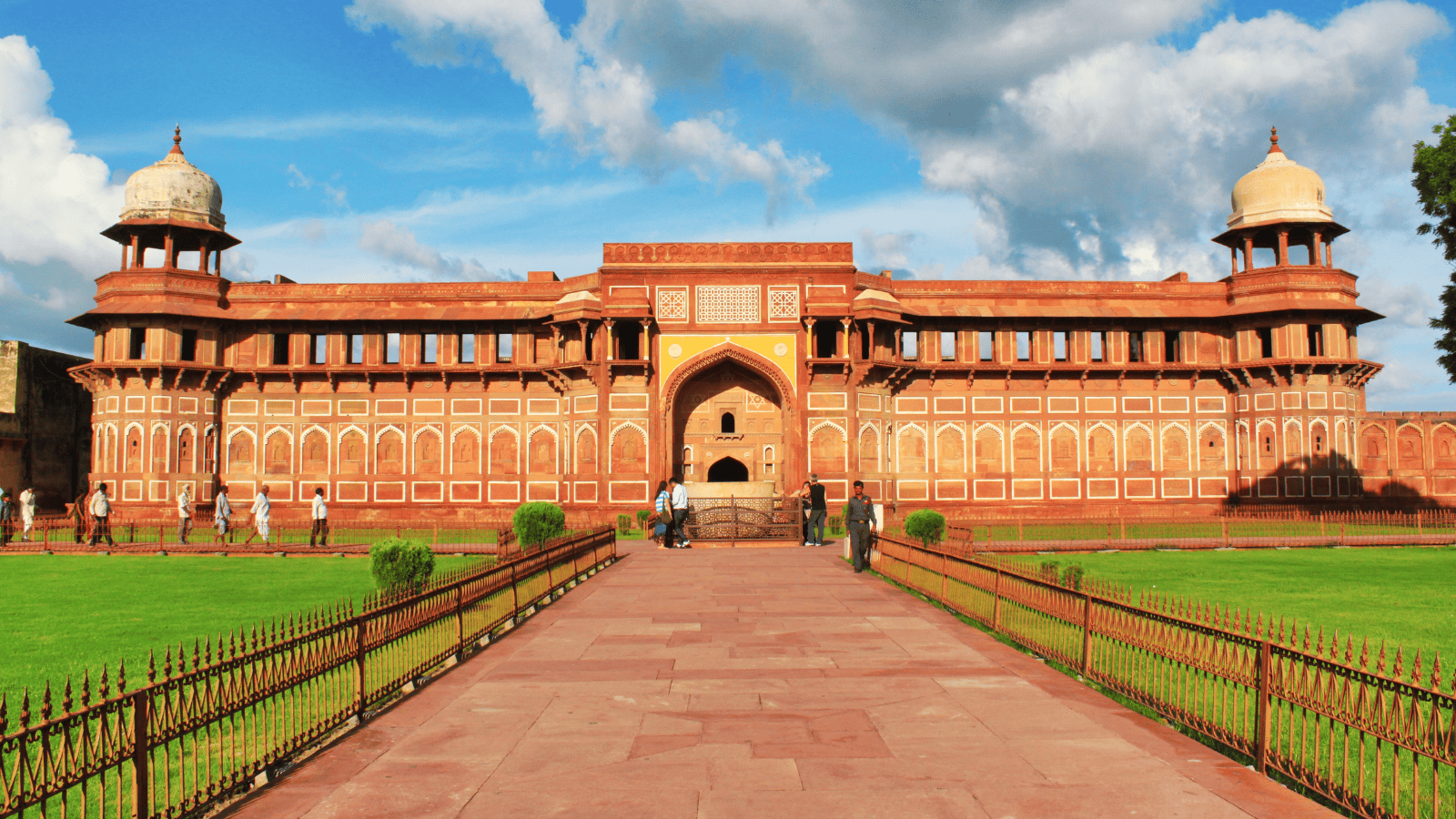
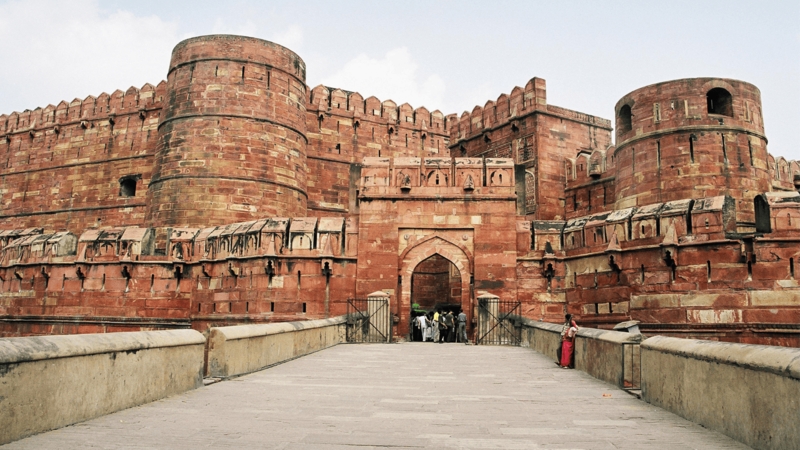
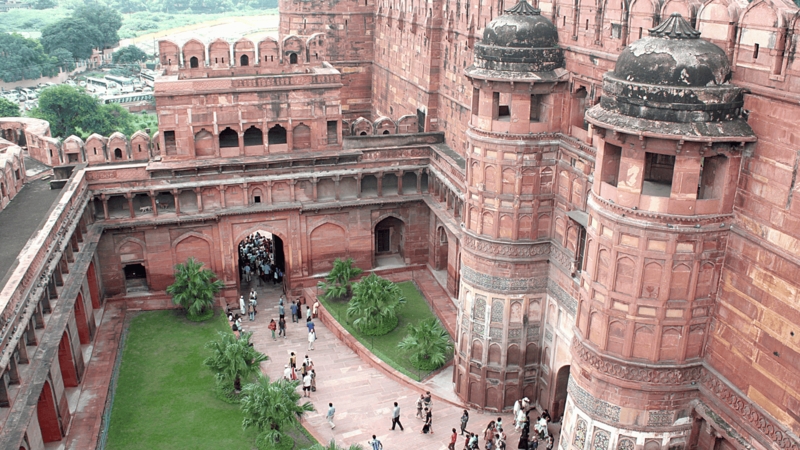
The Agra Fort is a major icon of India’s heritage. Built chiefly with red sandstone, its crescent shaped ramparts along the Yamuna contain an extensive complex of royal buildings and reflect the grandeur and authority of successive empires.


Historical Background


The site was originally a brick fort at Badalgarh and was first mentioned in 1080 C.E. when it was taken by Ghaznavid forces. It later passed to the Lodi rulers and then the Mughals. Akbar began reconstructing the fort in 1565 C.E., completing it in eight years. After the Mughal decline, it was held at different times by the Jats and Marathas until the British captured it in 1803.


Location and Significance


Located on the west bank of the Yamuna River in Agra, the fort was long considered a measure of political power. Inscribed as a UNESCO World Heritage Site in 1983, it remains central to the historical identity of the city.


Architectural Materials and Design


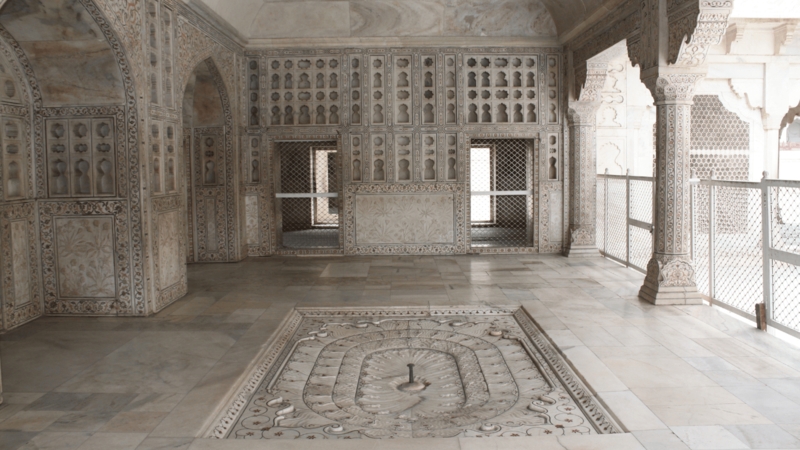
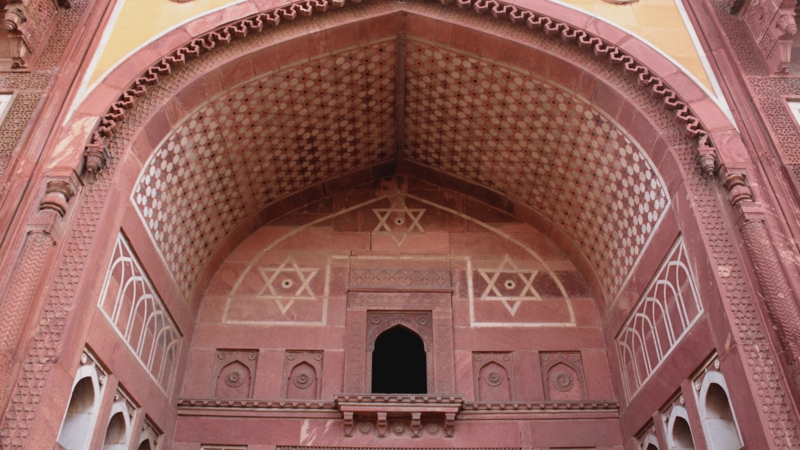
Built largely of red sandstone, the fort encloses structures such as Jahangiri Mahal, Khas Mahal, Diwan i Am, Diwan i Khas, Machchi Bhawan and Moti Masjid. Interiors feature pietra dura inlay and mirror work. The fort also once housed the famous Koh i Noor diamond.

Things to know
icon
Ticket needed for all ages
icon
Entry allowed for all ages
icon
Kid friendly
icon
Pets not allowed
icon
Washrooms available
icon
Wheelchair accessible
icon
Free water stations

What visitors say

star4.5|platform
From 151,808 Google reviews
Author Avatardr ipsita pradhan
2 months ago
Spread over 94 acres, Agra Fort is a UNESCO World Heritage Site and one of the finest examples of Mughal architecture. Built by Emperor Akbar between 1565 and 1573 using red sandstone, it was later enhanced by Shah Jahan with elegant white marble palaces. This crescent-shaped fortress features massive double ramparts, imposing bastions, and magnificent structures such as the Jahangiri Mahal, Diwan-i-Aam, Diwan-i-Khas, and Musamman Burj. The fort served as the principal Mughal residence until 1638 and is also remembered as the place where Shah Jahan spent his final years overlooking the Taj Mahal. Rich in history, art, and architecture, Agra Fort remains one of India's most iconic historical landmarks. Visitor Tips: Book your tickets online in advance, preferably the previous night, to avoid queues. Food items are not allowed inside. Don't carry larger bags for a quicker security check. Set aside at least 3–4 hours to fully explore the fort. If you hire a guide, continue exploring at your own pace after the guided tour to appreciate the architecture and hidden details. Visit early in the morning for pleasant weather, fewer crowds, and the best photography opportunities.Read More
Author AvatarRider On Foot
3 months ago
Agra Fort is a majestic 16th-century Mughal fortress and a UNESCO World Heritage Site located in Agra, Uttar Pradesh, India. Situated roughly 3 kilometres away from the iconic Taj Mahal, this massive red sandstone landmark spans 94 acres and served as the principal imperial residence for Mughal rulers until the capital shifted to Delhi in 1638.Read More
Author AvatarDr Darshan joshi
3 months ago
An absolute architectural masterpiece! While everyone visits Agra for the Taj Mahal, Agra Fort is equally spectacular and a must-visit destination. The massive red sandstone walls and gates are incredibly imposing, and the transition into the white marble palaces inside is beautiful. Walking through Jahangiri Mahal, Khas Mahal, and Diwan-i-Aam gives you a real glimpse into Mughal history. Plus, the distant, framed views of the Taj Mahal from the fort towers are absolutely breathtaking. Highly recommend hiring an official guide to fully appreciate the rich history and hidden architectural tricks of this UNESCO World Heritage site!Read More
Author AvatarRahul Sinha
5 months ago
Visiting Agra Fort was a truly memorable experience. This massive red sandstone fort gives a strong feeling of history, power, and royalty from the Mughal era. The moment you enter, you can feel the grandness and architectural beauty all around. The fort has many beautiful sections like palaces, courtyards, and halls, each with its own story. Walking through these areas feels like stepping back in time. The detailing in the architecture is impressive and well-preserved. One of the most special moments for me was seeing the view of the Taj Mahal from inside the fort. It adds a unique charm to the visit and connects both historical sites beautifully. The place is well-maintained, but it can get crowded, especially during peak hours. It’s better to visit early in the morning to explore peacefully. Overall, Agra Fort is a must-visit destination for anyone who loves history, architecture, and cultural experiences. It gives a complete royal and historical vibe that you shouldn’t miss.Read More
Author AvatarKunal Amzare
5 months ago
A majestic masterpiece of red sandstone that chronicles the zenith of the Mughal Empire’s architectural and strategic power. Stepping through the towering Amar Singh Gate feels like a leap across centuries, where every stone whispers secrets of the emperors who once walked these halls. While its roots are historically tied to the 11th-century Hindu fort Badalgarh, its true transformation came under Emperor Akbar, evolving into a walled city that served as the epicenter of Mughal rule. Wander through the Diwan-i-Am’s rhythmic arches and find the poignant Musamman Burj, the octagonal tower where Shah Jahan spent his final years gazing at the Taj Mahal. The atmosphere is a captivating blend of military grit and royal elegance. Though crowds are frequent, the fort’s sheer scale offers pockets of quietude and endless photography spots, especially the panoramic views across the Yamuna River. Practical Tips: Best Time: November to February offers pleasant weather; aim for sunrise to witness a golden glow on the walls. Logistics: The site is well-maintained and largely accessible, with paid parking nearby. Ticket 🎟 : buy tickets out of the monument Rs. 35-40 for Indian adult, for foreigner it around 200+ Safety & Crowd: Security is thorough. Mid-week visits are quieter than weekends. Don't Paid a Guide silently listen to other guides who gave information about the monument, you can see easily other guide explanation. Photography: Don't miss the marble pavilions—the contrast between white marble and red sandstone is striking. You can also see the Taj Majal from top of the Fort.Read More
Organized by
brand-img
Archaeological Survey of India
90%liked
154events
7 monthshosting
More
Frequently asked questions
Terms and Conditions
₹35
onwards