Humayun’s Tomb

Daily, Multiple slots
Humayun’s Tomb, New Delhi · 8765.2 km away
star4.5•platform
52118 ratings

About the venue

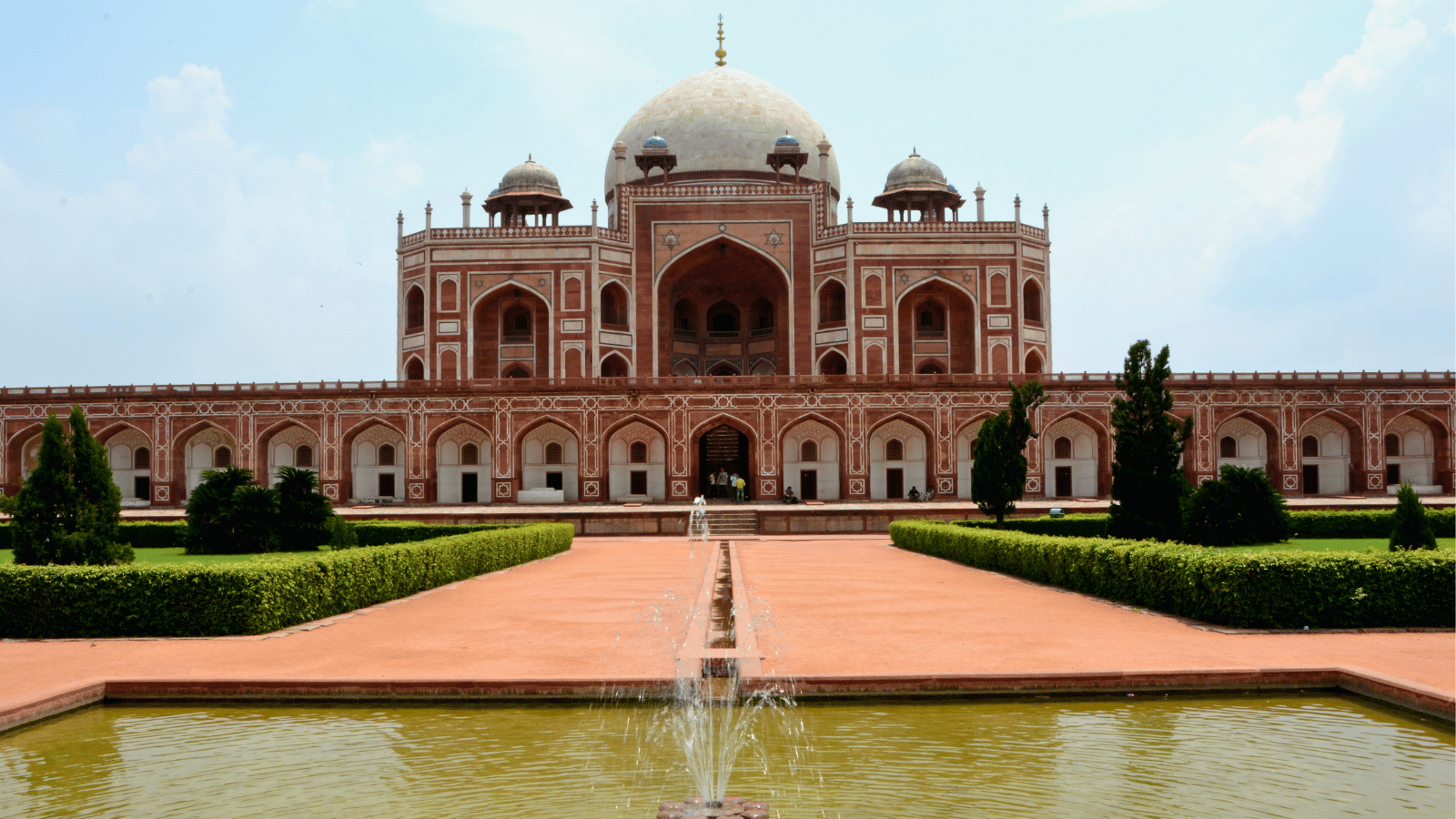
Humayun’s Tomb, declared a UNESCO World Heritage Site in 1993, is one of Delhi’s most visited monuments. Built during the reign of Emperor Akbar, between 1556 and 1605 C.E., it was commissioned by Humayun’s chief queen Bega Begum and is among the best preserved examples of Mughal architecture.


Historical Background


The tomb introduced the charbagh garden tomb tradition to the Indian subcontinent. Its layout places the mausoleum at the centre of a geometrically planned garden divided into four parts by walkways and water channels. The site also became the burial place of over one hundred fifty Mughal family members, earning it the name dormitory of the Mughals. It was at this location that Lieutenant Hudson captured the last Mughal emperor, Bahadur Shah II, in 1857 C.E.


Location and Significance


Located on the banks of the Yamuna River in Delhi, the site was chosen for its proximity to the revered Nizamuddin Dargah, associated with the Sufi saint Nizamuddin Auliya.


Architectural Materials and Design


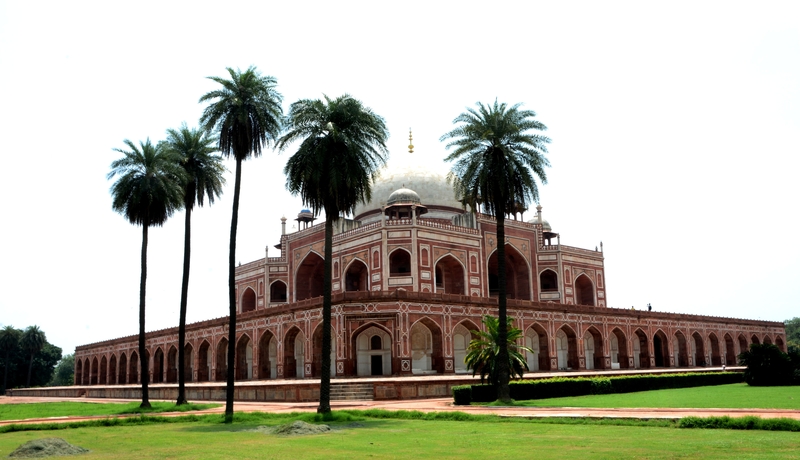
The complex is enclosed by a rubble wall on three sides and features large gateways on the west and south. The garden tomb stands as an early and influential example of Mughal design, integrating Persian and Indian elements in its domed structure and spacious layout.

Things to know
icon
Ticket needed for all ages
icon
Entry allowed for all ages
icon
Kid friendly
icon
Pets not allowed
icon
Free water stations
icon
Washrooms available
icon
Wheelchair accessible

What visitors say

star4.5|platform
From 52,118 Google reviews
Author AvatarArtur Pytel
1 month ago
I visited this place on Indian Independence Day, August 15th, so there were quite a few people around. It is a replica of the Taj Mahal; the building is interesting, though the actual Taj Mahal is much more beautiful. It’s a nice spot for a walk in Delhi, with plenty of greenery surrounding the tomb. It is best to buy your ticket online to avoid very long lines; there is a separate entrance for tourists, so getting in takes literally five minutes if you have an online ticket (550 INR).Read More
Author AvatarYuvraj Singh
4 months ago
Visited Humayun’s Tomb and it was an amazing experience!!! The monument is absolutely stunning, with its grand Mughal architecture and beautiful symmetry. The red sandstone structure combined with white marble details looks even more impressive in person. The gardens are peaceful and well maintained, making it a perfect place to relax and take a walk. It has a calm, less crowded vibe compared to other monuments, which makes the visit even more enjoyable. A great spot for photography, especially during golden hour. Overall, a must visit place in Delhi for history lovers and anyone who appreciates architecture and serene surroundings!!!Read More
Author AvatarPraveen Kumar
2 months ago
Visited Humayun’s Tomb and it was a wonderful experience. The place has a different kind of peace and royal atmosphere. Every corner feels like a perfect frame for photography. The architecture, greenery and historical beauty make it one of the best heritage spots in Delhi. Highly recommendeRead More
Author AvatarUdesh Kumar
1 month ago
Humayun’s Tomb is a beautiful historical monument with stunning Mughal architecture, peaceful surroundings, and well-maintained gardens. The overall experience was wonderful and worth visiting. However, some parts of the museum area appeared a little dirty due to birds, which slightly affected the experience. Better cleanliness and regular maintenance in those areas would make the visit even better. Overall, a great place to explore Delhi’s history and architecture. Definitely worth visiting!Read More
Author AvatarSatnam Singh
7 months ago
Built in 1570, Humayun's Tomb is a landmark of Mughal architecture and a UNESCO World Heritage site. It was commissioned by his widow, Empress Bega Begum (also known as Hamida Banu Begum), and designed by Persian architect Mirak Mirza Ghiyas. ​Architectural Significance ​This was the first grand dynastic mausoleum of the Mughal Empire. ​It introduced the Charbagh (four-part garden) to India, symbolizing a Persian-style paradise. ​The structure features the first significant use of a double dome and red sandstone paired with white marble. ​The tomb served as the architectural inspiration for the Taj Mahal, setting the standard for future royal burials. It also houses the remains of over 150 family members, earning it the nickname "Dormitory of the Mughals".Read More
Organized by
brand-img
Archaeological Survey of India
90%liked
154events
8 monthshosting
More
Frequently asked questions
Terms and Conditions
₹35
onwards