Kangra Fort

Daily, 12:00 AM to 11:59 PM
Kangra Fort, Kangra · 8716.1 km away
star4.4platform
11498 ratings
Show all photos

About the venue

+3

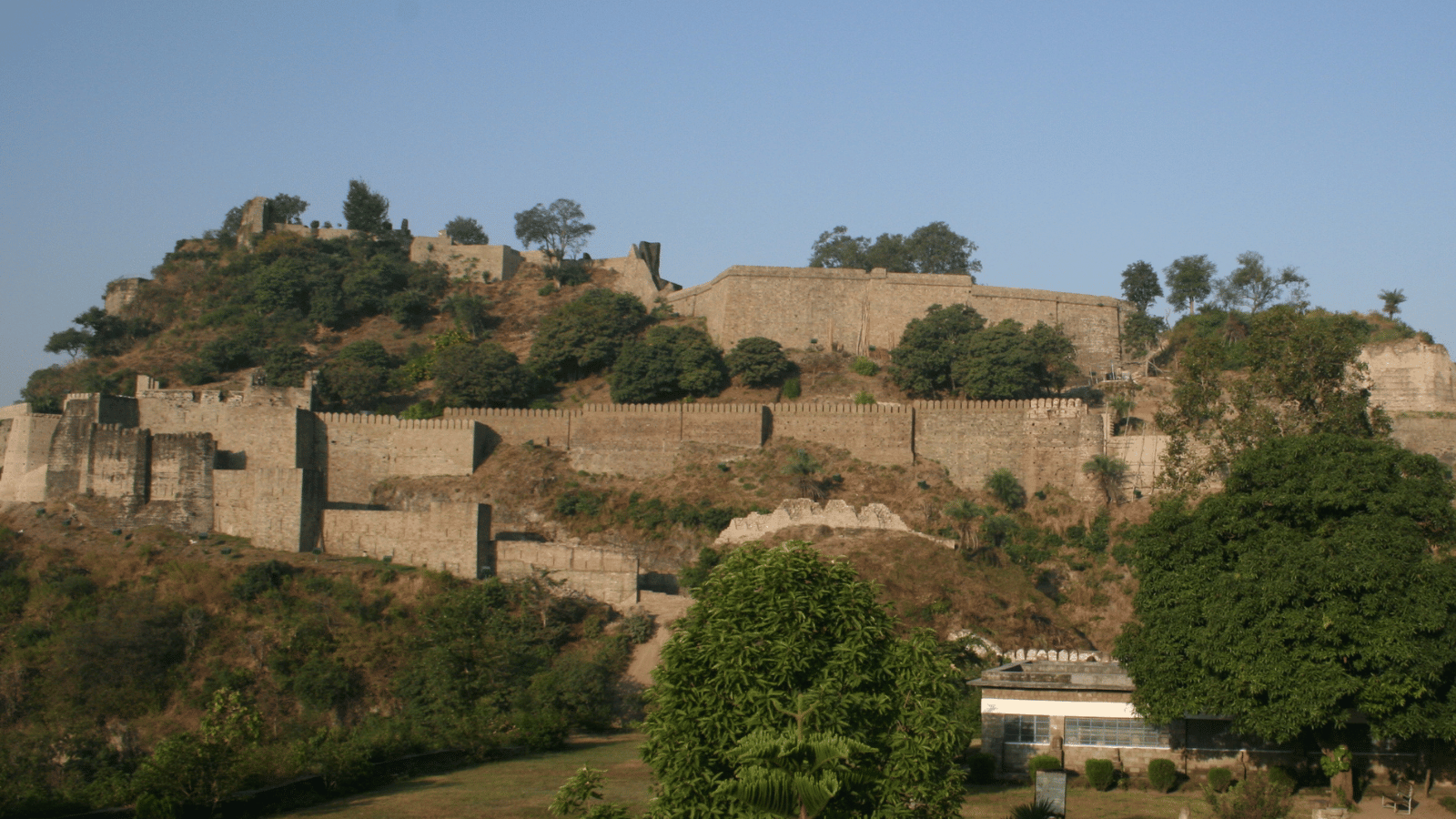
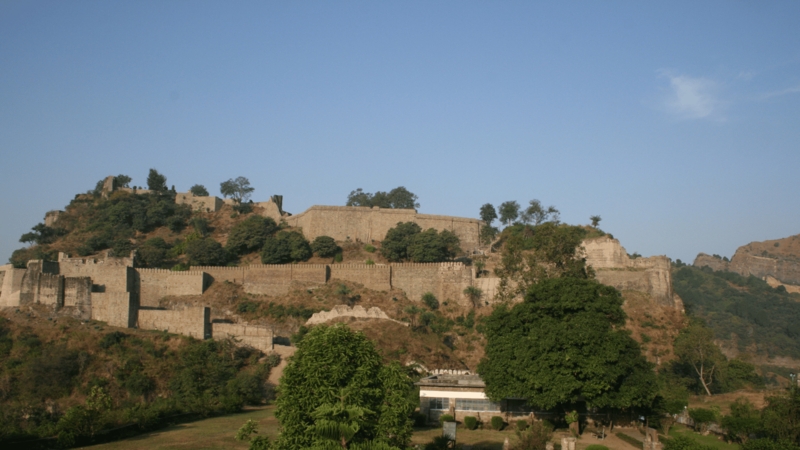
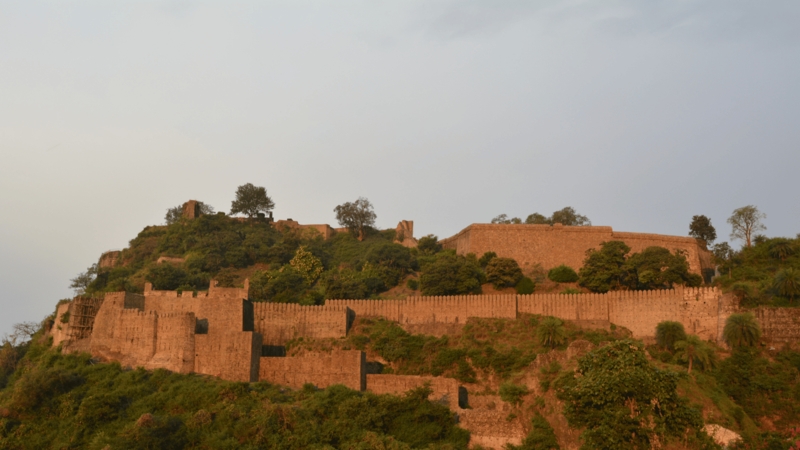
The Kangra Fort stands prominently atop a ridge between the Manjhi and Banganga rivers, commanding a dramatic natural setting that has shaped its reputation as one of the most formidable hill forts of northern India. Its long, narrow plan follows the contours of the terrain, and the steep cliffs rising nearly 300 feet above the Banganga provide much of its defensive power. The fort reflects a layered history of strategic architecture and evolving cultural influences.


Historical Background


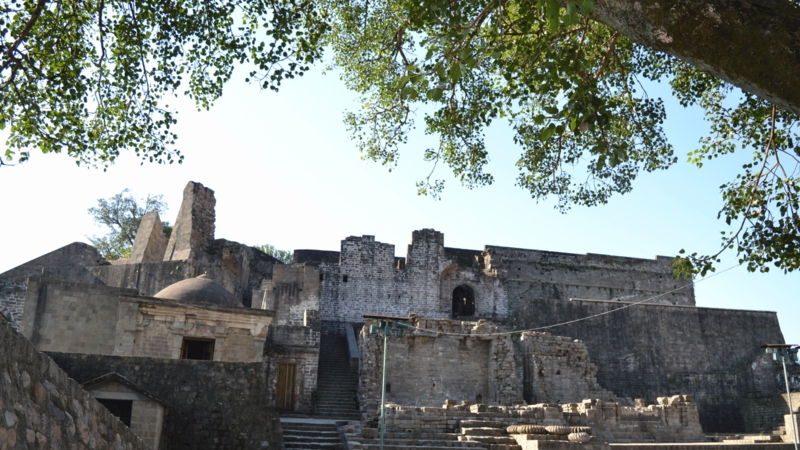
The fort’s gateways, passages, and structural modifications preserve the imprint of several ruling powers. The Phataki Gate dates to the Sikh period under Maharaja Ranjit Singh, while the Ahani Gate and Amiri Darwaza are attributed to Nawab Alif Khan, the first Mughal Governor under Jahangir. Jahangir later added the Jahangiri Darwaza after his conquest. The upper Andheri Darwaza, once a vaulted and dark corridor, and the Darsani Darwaza, flanked by defaced figures of the goddesses Ganga and Yamuna, highlight successive phases of Mughal and later architectural intervention.


Location and Significance


Located near the town of Kangra in Himachal Pradesh, the fort occupies a narrow rocky ridge that forms a natural barrier between two rivers. This placement grants the site exceptional defensive value while offering sweeping views over the surrounding landscape. Its prominence and long history make it one of the region’s most significant heritage monuments.


Architectural Materials and Design


Within the complex lie shrines dedicated to Lakshmi Narayana, Sitala, and Ambika Devi, as well as remains of a Jaina monastic complex. A staircase once connected these shrines to the palace known as the Sheesh Mahal through the Mahalon ka Darwaza. The rear sections contain the Barood Khana, a masjid, an execution hall, tanks, wells, a Shiva temple, a baradari, and additional service structures. Near the main Ranjit Singh Gate stand a hammam and a British cemetery, further illustrating the fort’s layered architectural landscape.

Things to know
icon
Ticket needed for all ages
icon
Entry allowed for all ages
icon
Kid friendly
icon
Pets not allowed
icon
Washrooms available
icon
Free parking

What visitors say

star4.4|platform
From 11,498 Google reviews
Author AvatarDr Yogesh Chaudhari
4 months ago
​Kangra Fort is a magnificent testament to India’s ancient heritage. Currently well-preserved by the Archaeological Survey of India (ASI), the entire complex is remarkably clean and organized. Despite being a hilltop fortress, the path is well-laid and relatively easy to walk, making it accessible for those with a moderate fitness level. ​The spiritual history here is fascinating. The fort is home to an ancient Jain temple containing a revered idol of Lord Adinath (Rishabhanatha). While local legends trace its presence back nearly 5,000 years to the time of the Mahabharata, the intricate carvings and inscriptions on the pedestal are a sight to behold. Alongside the Jain shrine, the Ambika Devi Temple and the remains of the Lakshmi-Narayana Temple showcase a beautiful blend of religious traditions. ​For history buffs, the fort’s architecture—featuring seven massive gates like the Ahani and Amiri Darwaza—tells stories of various sieges by the Mughals and the British. The panoramic views of the surrounding valleys and the Dhauladhar range from the top are simply stunning. ​Pro-tip: I highly recommend using the Audio Guide available at the entrance. It provides a detailed narrative of the Katoch kings and the 21 treasure wells that once made this fort famous. It’s a peaceful, educational, and scenic experience that shouldn't be missed if you're near Dharamshala!Read More
Author AvatarManas Behera
2 months ago
Kangra Fort is one of the oldest and largest forts in India, located near the city of Kangra. It was built by the ancient Katoch dynasty and has a history spanning over a thousand years. The fort offers stunning views of the surrounding valleys and the Dhauladhar Range. It stands as a symbol of the rich heritage, architectural brilliance, and resilience of Himachal Pradesh.Read More
Author AvatarSandeep Bhattacharya
4 months ago
A superbly designed and built Fort, considered impregnable during it's times. Strategically located , it's ruins display what s magnificent structure it would have been during it's heydays. ASI maintained, costs Rs 20 for countrymen to enter. Worth a visit for it's views and astonishing construction.Read More
Author AvatarPramod Ranganath
3 months ago
Ruined Fort Kangra. It has a great history. It is maintained by govt. entry fee is 20rs per head as of 30/05/2026. Get more information from Archeological department website.Read More
Author AvatarSayantan Roychowdhury
5 months ago
Must visit as it offers excellent scenic view to mountain range and overlooks the confluence of the Banganga River and Patal Gang. It has a stone temple at the top. Better to visit in morning and late afternoon for best views and wear comfortable shoes as walking will be steep. Ticket booking charge will be ₹25 and need to be done through Online with the help of QR code pasted at the entry.Read More
Organized by
brand-img
Archaeological Survey of India
90%liked
154events
7 monthshosting
More
Frequently asked questions
Terms and Conditions
₹20
onwards