Tipu Sultan Palace

Mon, 23 Nov – Tue, 1 Dec, Multiple slots
Tipu Sultan's Summer Palace, Bengaluru
star3.9•platform
32882 ratings

About the venue

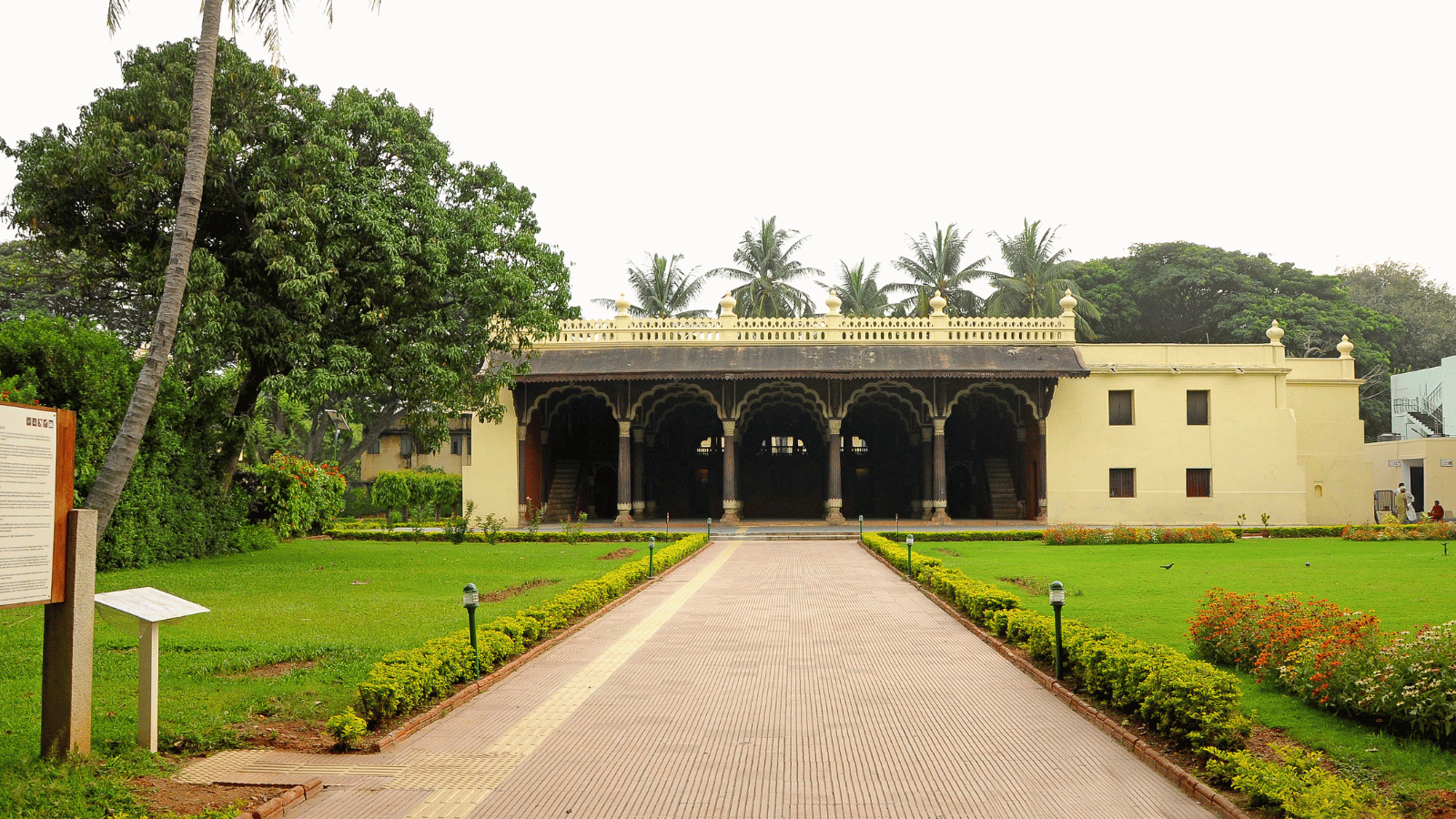
Tipu Sultan’s Palace preserves the last splendid structure within the old fort at Bengaluru and remains a distinguished example of courtly architecture. Its form, decorative program, and carefully articulated spaces convey the artistic refinement associated with the Mysore rulers.


Historical Background


The palace comprises two storeys arranged around a large forecourt that once contained a fountain and a small ornamental garden. Though the original painted and gilded surfaces have largely faded, traces of these embellishments still survive, offering rare insight into the visual grandeur that characterized the royal residence.


Location and Significance


Situated within the historic fort precinct in Bengaluru, the palace reflects Tipu Sultan’s administrative and ceremonial presence. The projecting eastern and western chambers of the upper floor once housed royal seats from which the Sultan oversaw state affairs, reinforcing the building’s political importance.


Architectural Materials and Design


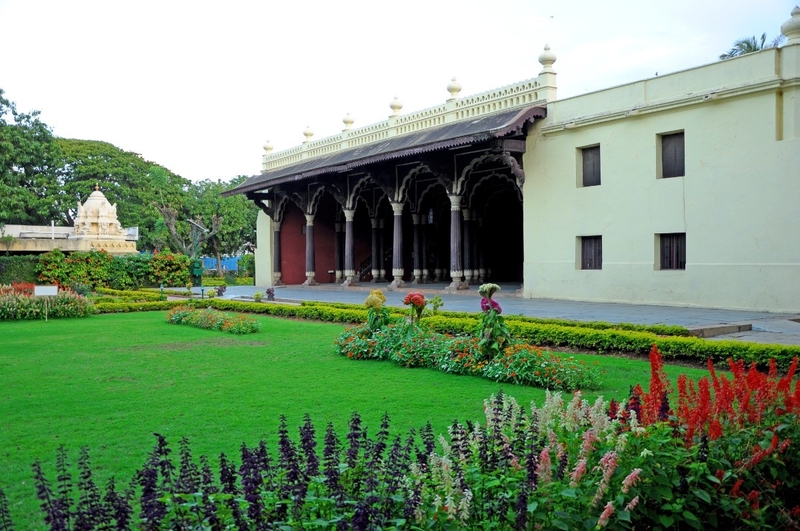
The facade displays stately fluted wooden pillars on the north and south, linked by cusped arches, while the surrounding chambers highlight contrasting spatial proportions. The zenana rooms, with their deliberately low ceilings, were richly painted and emphasize the intricate interior craftsmanship that defines the monument.

Things to know
icon
Ticket needed for all ages
icon
Entry allowed for all ages
icon
Kid friendly
icon
Pets not allowed
icon
Free parking
icon
Washrooms available
icon
Free water stations

What visitors say

star3.9|platform
From 32,882 Google reviews
Author AvatarAgrim Karki
3 months ago
Tipu Sultan’s Summer Palace in Bengaluru is one of those places that feels much more interesting once you step inside and look closely at the details. From the outside, it can seem fairly simple, but the wooden structure, carved pillars, arches, and old paintings give you a real sense of the Indo-Islamic architecture associated with Tipu Sultan’s period. What I liked most was the atmosphere. The palace is not enormous or overly grand, but there is something peaceful about walking through its wooden corridors and standing beneath the decorated ceilings. The teakwood construction and delicate carvings are particularly worth paying attention to. The small museum displays also help put the palace into historical context, especially if you are interested in Tipu Sultan and the history of Mysore and Bengaluru. The main downside is that the visit can feel quite short. There are limited areas to explore, and if you are expecting a huge royal palace with extensive rooms and elaborate interiors, you might find it underwhelming. The surrounding area can also feel busy compared with the calm atmosphere inside the palace. Overall, it is a modest but historically significant place, and I found it more rewarding for its architecture and history than for its size. It is a good stop for history lovers, architecture enthusiasts, photographers, and anyone exploring Bengaluru’s older heritage sites. Give yourself some time to actually look at the woodwork and details rather than just walking through quickly.Read More
Author AvatarSarfaraz Ahmed
2 months ago
A Fascinating Piece of Bengaluru's History Tipu Sultan's Summer Palace is one of the most interesting historical landmarks in Bengaluru. Built within the old Bengaluru Fort, the palace was begun by Hyder Ali in 1781 and completed by Tipu Sultan in 1791. The two-storey wooden structure is a beautiful example of Indo-Islamic architecture, with elegant carved pillars, arches, balconies and intricate decorative details. Walking through the palace gives you a wonderful glimpse into Bengaluru's history and the royal life of the Mysore period. The surrounding heritage atmosphere makes the visit particularly interesting, especially for anyone who enjoys history, architecture and Bengaluru's cultural heritage. The palace is also maintained as a historical site and museum, preserving artefacts and information connected with the period. A must-visit historical landmark for anyone interested in discovering the older side of BengaluruRead More
Author AvatarJoseph Lenin
4 weeks ago
Tipu Sultan's Summer Palace A very interesting historical place in Bengaluru and a must-visit for anyone interested in history and architecture. The palace is a beautiful example of Indo-Islamic architecture, with wooden pillars, arches and a peaceful atmosphere that gives you a glimpse into the history of Tipu Sultan and the period in which he lived. The palace is not extremely large, but the historical importance and traditional architecture make the visit worthwhile. Walking around the palace and its surroundings gives you a good opportunity to learn about Bengaluru's royal past. A good place for history lovers, photography and anyone who wants to explore the city's heritage.Read More
Author AvatarSatishk
1 month ago
Tipu Sultan’s Summer Palace: A Wooden Marvel Steeped in History ⭐⭐⭐⭐⭐ Step back in time to 18th-century royal engineering right in the heart of the bustling city! My Experience: Tucked away near the bustling KR Market area, stepping into Tipu Sultan’s Summer Palace feels like hitting a sudden pause button on the chaos of modern Bengaluru. Known locally as Rashkat-i-Jannat ("Abode of Happiness"), this architectural gem is entirely built of teak wood, standing as a stunning testament to Indo-Islamic craftsmanship. As soon as you walk past the arched gateway, the towering pillars, intricate floral motifs, and symmetrical balconies immediately catch your eye. The ground floor now houses a well-curated museum featuring historical portraits, clothing replicas, and accounts of Tipu Sultan's administration and battles. Key Highlights: * Magnificent Teak Pillars: The massive pillars supporting the upper balconies are breathtaking and kept the interiors naturally cool even during peak summer days. * The Balconies & Durbar Hall: The upper level offers a gorgeous view of the lawns and carved wooden arches where the ruler once held his public durbars. * Tranquil Gardens: The well-maintained gardens by the Archaeological Survey of India (ASI) provide a peaceful green patch to relax after exploring. Practical Tips for Visitors: * Accessibility & Commute: The nearest metro station is Krishna Rajendra (KR) Market on the Green Line, which is just an 8-minute walk away. Parking space for cars is quite limited, so using public transport or metro is highly recommended. * Timings & Entry: Open on all days (except major holidays) from roughly 8:30 AM to 5:30 PM. The entry fee is very nominal (₹15 for Indian citizens). * Best Time to Visit: Go during the early morning hours (right around opening time) to avoid the afternoon heat and large crowds. * Nearby Combos: Combine this visit with a short walking tour of the nearby Bangalore Fort and the Kote Venkataramanaswamy Temple, both just a short stroll away. A must-visit for history buffs, architecture lovers, and anyone looking to uncover Bengaluru's royal past!Read More
Author Avatarkoushik Majuri
2 months ago
A pleasant one-time visit.There’s a nominal entry fee of ₹20, which requires filling out a brief form (you can save time by doing this in advance). The historic palace is quite small but fairly well-maintained, and the surrounding gardens are lovely. It's a fantastic spot for photography, but beyond taking pictures, there isn't much else to do. Overall, a good experience, but once is enough.Read More
Organized by
brand-img
Archaeological Survey of India
91%liked
164events
11 monthshosting
More
Frequently asked questions
Terms and Conditions
₹20
onwards